- Editor

- CategoryAdvice
- DateAugust 1, 2025
- Share
This guide shows how a Fractional CTO from Fracto turns cloud sprawl into competitive edge.
92% of large enterprises already run multi-cloud workloads, juggling an average of 4.8 providers (1,2). For FinTech and HealthTech scale-ups, the strategy delivers global performance, compliance flexibility, and negotiating power—if executed with disciplined architecture.
Why Multi-Cloud Now?
- Resilience: Outages in AWS us-east-1 or Azure west-Europe no longer crater revenue.
- Regulatory Mandates: PCI-DSS, HIPAA, data-residency laws force geographic workload placement.
- Pricing Leverage: Benchmarking across providers cuts compute spend 25–40% (3).
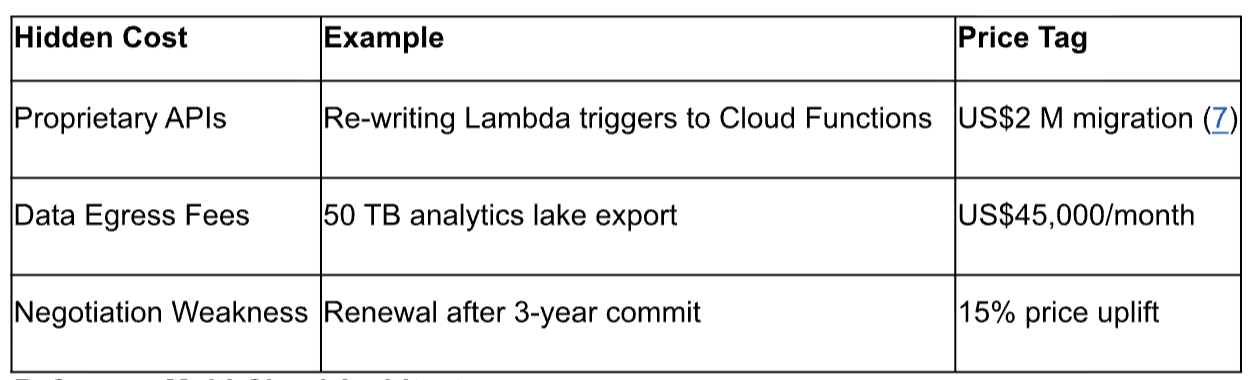
Risks of One-Cloud Lock-In
Reference Multi-Cloud Architecture
- Edge: Cloudflare CDN terminates TLS.
- Compute: Stateless services on GKE Autopilot.
- Data Plane: Patient PII stored in Azure Confidential SQL.
- Analytics: Real-time risk engine on AWS Kinesis → Redshift.
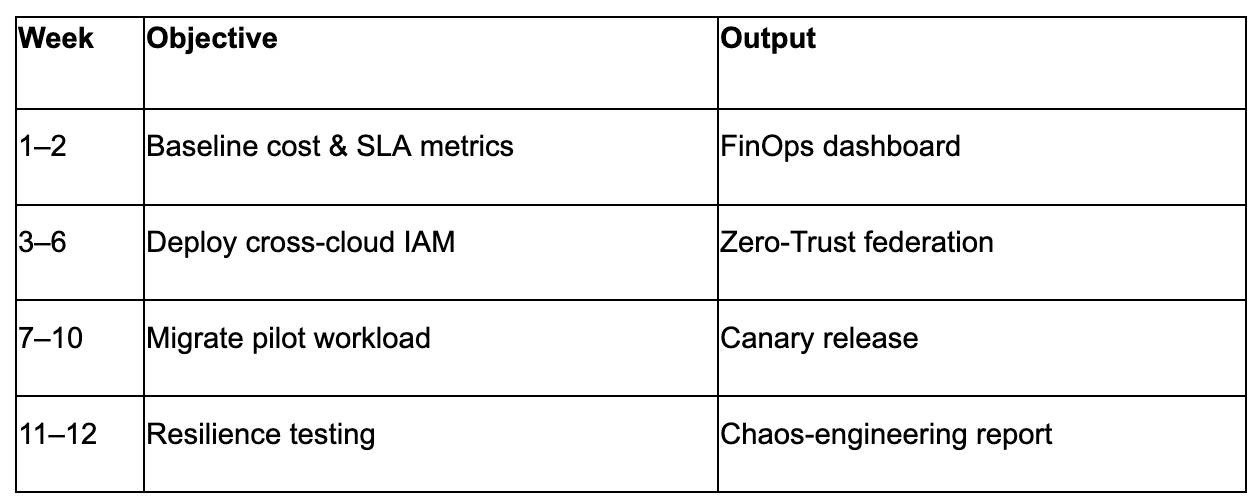
Implementation Sprint Plan (90 Days)
FinOps Quick-Wins
- Spot-Instance Arbitrage: Relocate batch inference to cheapest region daily—14% savings.
- RI Portfolio Balancing: Apply savings plans in AWS, committable cores on Azure.
- Cross-Cloud Autoscaling: Rightsize persistent nodes via Karpenter and VM-Scale-Sets.
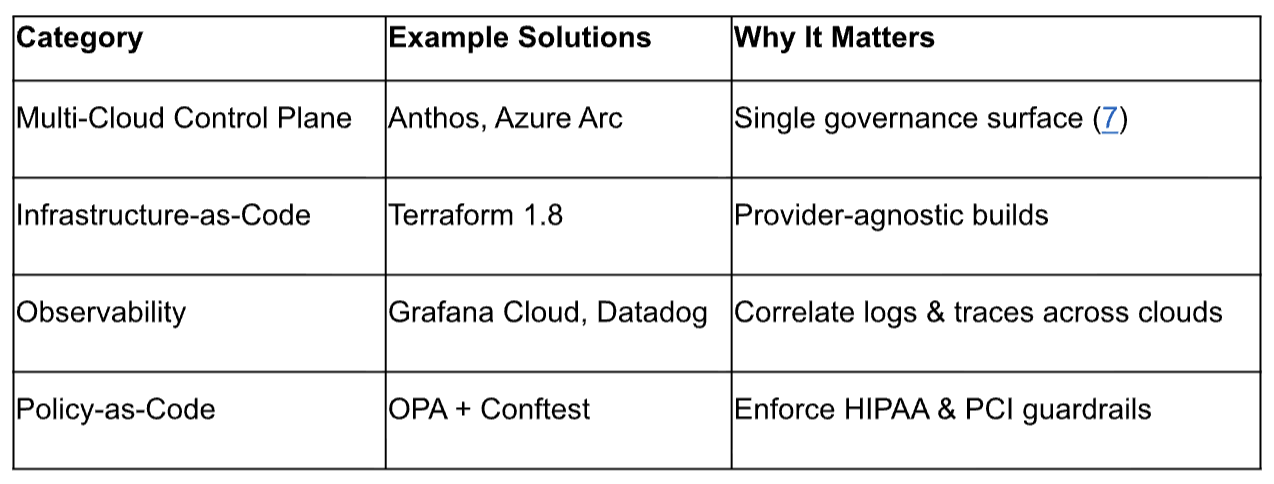
Tooling Landscape 2025
Compliance Spotlight
- FinTech: Segregate cardholder data in dedicated PCI-scoped VPCs.
- HealthTech: Store PHI only in regions with BAA in place; replicate anonymised data for analytics.
Schedule Fracto’s free Multi-Cloud Health-Check to surface 30% cost-savings opportunities.